
You’ve probably heard the advice:
“Drink eight glasses of water a day.”
It’s simple, easy to remember—and not necessarily the right amount for everyone.
Your hydration needs can change depending on your age, body size, activity level, diet, climate, pregnancy or breastfeeding status, and overall health.
Even the food you eat contributes to your daily fluid intake.
So rather than chasing one perfect number, it can be more useful to understand what influences your hydration needs and how to recognize whether you’re getting enough.
Water is essential for normal body function. It helps regulate body temperature, cushions joints, protects sensitive tissues, and helps the body remove waste.
Here’s what you should know about staying properly hydrated.
Why Does Your Body Need Water?
Water makes up a substantial portion of the human body and is involved in many everyday physiological processes.
Your body uses water to help:
- Maintain normal body temperature
- Lubricate and cushion joints
- Protect the spinal cord and other sensitive tissues
- Transport substances throughout the body
- Support normal digestion
- Remove waste through urine, perspiration, and bowel movements
CDC guidance emphasizes that getting enough water every day is an important part of maintaining normal body function.
Unlike some nutrients, your body is constantly losing water.
You lose fluid through:
- Urination
- Sweating
- Breathing
- Bowel movements
Those losses need to be replaced through beverages and food.
So, How Much Water Do You Actually Need?
There isn’t one universal water requirement that applies to every adult.
A widely referenced adequate intake for total water is approximately:
Men: about 3.7 liters (125 ounces) per day
Women: about 2.7 liters (91 ounces) per day
But there’s an important detail:
These numbers represent total water intake from all beverages and foods—not just glasses of plain water.
So a man doesn’t necessarily need to drink 125 ounces of plain water every day.
Water from coffee, tea, milk, sparkling water, soups, fruits, vegetables, and other foods can all contribute.
This is why blindly using a fixed number of water bottles isn’t always helpful.
What About the “8 Glasses a Day” Rule?
Eight 8-ounce glasses equals about 64 ounces, or roughly 1.9 liters.
It’s a convenient reminder to drink water, but it shouldn’t be treated as a universal scientific prescription.
Some people may need more.
Others may meet much of their fluid requirement through other beverages and water-rich foods.
CDC notes that hydration requirements vary depending on factors including age, sex, pregnancy or breastfeeding status, activity level, and other individual circumstances.
Instead of treating eight glasses as a strict requirement, use it as a general reminder that drinking fluids throughout the day matters.
Your Food Provides Water Too
Hydration doesn’t only come from a bottle.
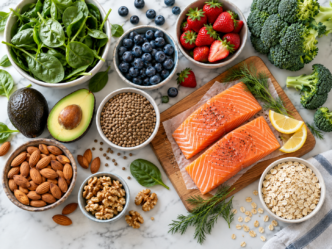
Many foods naturally contain large amounts of water.
Examples include:
Watermelon
As the name suggests, watermelon contains a substantial amount of water.
Strawberries
Fresh berries provide fluid along with fiber and other nutrients.
Oranges
Citrus fruits contribute both fluids and nutrients.
Cucumbers
Cucumbers have an especially high water content.
Tomatoes
Tomatoes and tomato-based fresh dishes can contribute to fluid intake.
Lettuce
Leafy vegetables contain significant amounts of water.
Soups
Broth-based soups can contribute both fluids and electrolytes.
CDC specifically notes that foods with high water content—particularly many fruits and vegetables—contribute to total daily water intake.
This is another reason your hydration needs can’t be determined only by counting glasses.
When Might You Need More Water?
Your fluid requirements aren’t static.
There are situations where your body can lose more water than usual.
Hot Weather
When temperatures rise, your body may sweat more to regulate temperature.
That increases fluid loss.
People who spend extended periods outdoors in hot or humid environments may therefore need more fluids.
Exercise
Physical activity increases water loss through sweat.
The harder and longer you exercise—especially in warm weather—the more attention you may need to give hydration.
Fever
Illnesses involving fever can increase fluid requirements.
Vomiting or Diarrhea
Both can cause rapid fluid and electrolyte losses.
CDC specifically identifies hot climates, higher physical activity, fever, diarrhea, and vomiting as situations in which the body may need more water.
Pregnancy and Breastfeeding
Fluid needs can also change during pregnancy and breastfeeding.
Individual recommendations should be discussed with an appropriate healthcare professional.
Does Coffee Count Toward Hydration?
Yes, beverages such as coffee and tea contain water and contribute to total fluid intake.
The idea that every cup of coffee completely “dehydrates” you is overly simplistic.
However, that doesn’t mean drinking unlimited coffee is a good hydration strategy.
Caffeine affects people differently, and large amounts may cause problems such as nervousness, sleep disruption, or increased heart rate sensations in some individuals.
Plain water remains one of the easiest hydration choices because it contains no calories or added sugar.
CDC also lists unsweetened coffee, tea, sparkling water, and seltzer among low- or no-calorie beverage options.
What About Sparkling Water?
If you enjoy sparkling water, it can contribute to hydration just like still water.
For many people, carbonation makes drinking water more enjoyable.
Check flavored varieties if you’re trying to avoid added sugars.
Plain sparkling water or products without added sugar can be simple alternatives to sweetened soda.
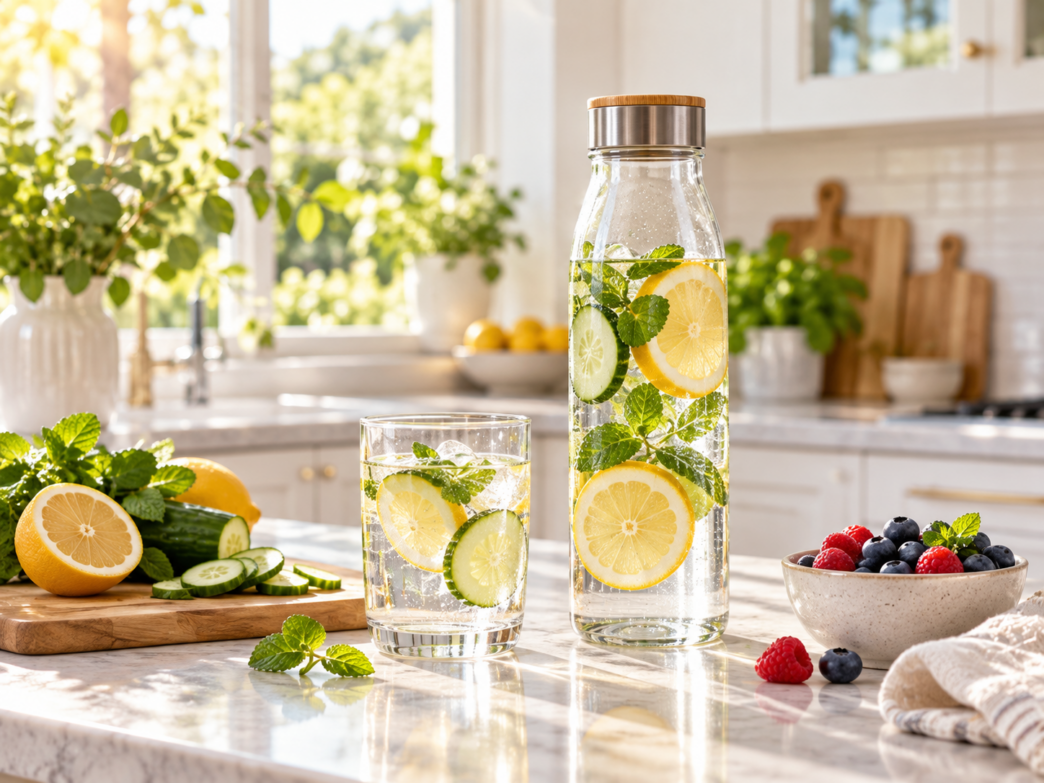
You can also flavor plain water yourself with:
- Lemon
- Lime
- Cucumber
- Mint
- Berries
- Orange slices
Sometimes making water taste slightly more interesting is enough to encourage you to drink it more consistently.
Water vs. Sugary Drinks
One of the easiest ways to improve beverage choices is to replace some sugar-sweetened drinks with water.
Examples of drinks that can contain substantial amounts of added sugar include:
- Regular soda
- Sweet tea
- Energy drinks
- Sweetened sports drinks
- Some flavored coffees
- Fruit-flavored beverages
Plain water contains no calories.
CDC notes that replacing sugary drinks with water can reduce calorie intake while still helping meet fluid needs.
You don’t have to make your diet perfect overnight.
If you normally drink three sodas every day, replacing even one with water can be a practical first step.
How Can You Tell If You’re Drinking Enough?
There isn’t a single perfect test you can perform at home.
But paying attention to thirst, urine, activity, weather, and how you feel can provide useful clues.
Thirst
Thirst is an obvious signal that your body wants fluids.
For many healthy adults, regularly responding to thirst is a reasonable part of maintaining hydration.
However, some older adults may have a reduced thirst sensation, so relying entirely on thirst may not always be sufficient.
Urine
Urine color can sometimes provide a rough clue about hydration.
Very concentrated, dark urine may occur when you’re not consuming enough fluid.
Pale yellow urine is often consistent with adequate hydration.
However, urine color can also be affected by medications, supplements, foods, and medical conditions, so it isn’t a perfect diagnostic tool.
What Can Happen When You Don’t Drink Enough?
When fluid losses exceed intake, dehydration can occur.
Depending on severity, dehydration may contribute to symptoms such as:
- Thirst
- Dry mouth
- Fatigue
- Headache
- Dizziness
- Reduced urine output
- Darker urine
CDC notes that dehydration can also contribute to problems such as unclear thinking, mood changes, overheating, constipation, and kidney stones.
Severe dehydration can become a medical emergency.
Persistent vomiting or diarrhea, confusion, fainting, inability to keep fluids down, or other concerning symptoms deserve medical attention.
Can You Drink Too Much Water?
Yes.
More water isn’t automatically healthier.
Drinking extremely large quantities of water in a short period can dilute sodium levels in the blood, potentially causing a dangerous condition called hyponatremia.
This is uncommon during ordinary daily hydration but can occur in situations involving excessive fluid intake, including some endurance events.
That’s another reason hydration advice shouldn’t become:
“Drink as much water as possible.”
The goal is appropriate hydration—not maximum water consumption.
Do You Need Electrolyte Drinks?
For most ordinary daily activities, plain water and a normal balanced diet are usually sufficient for hydration.
Electrolyte replacement may become more relevant during prolonged intense exercise, significant sweating, or fluid loss from illness.
But many commercial sports drinks also contain added sugar.
Someone walking for 20 minutes generally doesn’t need to treat hydration like they’re completing a marathon.
Athletes, people working for extended periods in extreme heat, and people experiencing significant fluid loss may have different needs.
7 Easy Ways to Drink More Water
If you routinely forget to drink, make hydration easier rather than relying on willpower.
1. Keep Water Visible
Place a reusable water bottle on your desk or somewhere you frequently look.
If the bottle is hidden in a cabinet, you’re less likely to remember it.
2. Drink Water With Meals
Make having water with breakfast, lunch, or dinner part of your routine.
CDC specifically recommends serving water during meals as one practical hydration strategy.
3. Carry a Reusable Bottle
Having water available makes drinking it significantly easier when you’re commuting, working, shopping, or exercising.
4. Add Natural Flavor
Try lemon, lime, cucumber, berries, or mint.
5. Drink After Exercise
Replenish fluids lost through sweating.
6. Choose Water More Often When Eating Out
Restaurants often automatically make high-calorie drinks available.
Ordering water is one of the easiest ways to avoid unnecessary added sugar.
7. Build Water Into Existing Habits
Instead of creating a complicated drinking schedule, attach water to things you already do.
For example:
After waking → drink water
With lunch → drink water
After exercising → drink water
Habits become easier when they have a predictable trigger.
Do You Need a Huge Water Bottle?
Large reusable bottles have become popular.
They’re useful if they remind you to drink—but you don’t need a gallon-sized bottle to be healthy.
A smaller bottle that you actually carry and refill may be more practical.
The best water bottle isn’t necessarily the biggest or most expensive one.
It’s the one that makes hydration convenient for you.
A Simple Hydration Routine
You don’t have to measure every ounce.
A practical day might look something like this:
Morning: Have water after waking or with breakfast.
Mid-morning: Keep a bottle nearby while working.
Lunch: Drink water with your meal.
Afternoon: Continue drinking based on thirst and activity.
Exercise: Drink before, during, or afterward as appropriate for the activity and conditions.
Dinner: Have another glass of water with your meal.
The exact amount will differ from person to person.
The goal is simply to make hydration a normal part of your day instead of realizing at 8 p.m. that you’ve barely had anything to drink.
Don’t Turn Hydration Into Another Wellness Competition
Social media sometimes makes drinking water look like a challenge:
One gallon.
Huge bottles.
Strict hourly targets.
Perfect hydration charts.
Most people don’t need to turn drinking water into a competitive sport.
Your needs vary from another person’s needs.
Someone exercising outdoors in Arizona in July may need considerably more fluid than someone working at a desk in an air-conditioned office.
Focus on your circumstances—not someone else’s water bottle.
Who Should Ask a Healthcare Professional About Fluid Intake?
Some people may be advised to restrict or carefully monitor fluids because of medical conditions.
This can include certain people with:
- Kidney disease
- Heart failure
- Liver disease
- Electrolyte disorders
Certain medications may also affect fluid or electrolyte balance.
If you’ve been given a specific fluid target by a physician or dietitian, follow that guidance rather than general online recommendations.
The Bottom Line
So, how much water should you drink every day?
There isn’t one perfect answer.
Widely cited adequate intake levels for total water are roughly 3.7 liters per day for adult men and 2.7 liters for adult women, but those numbers include water from all beverages and food, not only plain drinking water.
Your actual needs can increase with heat, exercise, illness, pregnancy, breastfeeding, and other circumstances.
Instead of obsessing over a single number:
Drink regularly.
Pay attention to thirst.
Eat water-rich fruits and vegetables.
Increase fluids when you’re sweating more.
Choose water more often than sugary beverages.
And remember that more isn’t always better.
Good hydration should feel like a normal part of your lifestyle—not another complicated wellness rule.
Frequently Asked Questions
Is eight glasses of water per day enough?
Eight glasses can be a convenient general reminder, but it isn’t a universal requirement. Fluid needs vary considerably based on activity, climate, age, diet, sex, pregnancy or breastfeeding status, and health.
Does coffee count toward daily water intake?
Yes. Coffee contains water and contributes to total fluid intake. However, plain water is still an excellent default beverage because it contains no calories or added sugar.
Does tea count as water?
Yes. Unsweetened tea contributes to daily fluid intake.
Do fruits and vegetables help with hydration?
Yes. Many fruits and vegetables contain substantial amounts of water and contribute to overall daily fluid intake.
Should I drink more water when exercising?
Physical activity can increase fluid losses through sweat, particularly during prolonged exercise or hot weather, so fluid needs often increase.
Can you drink too much water?
Yes. Extremely excessive water intake can disrupt the body’s sodium balance. Drinking more than your body needs isn’t automatically healthier.
Is lemon water healthier than regular water?
Adding lemon can provide flavor and may make water more enjoyable, but plain water hydrates perfectly well. You don’t need lemon, detox ingredients, powders, or special additives for ordinary hydration.
Wellness Viora Takeaway
Hydration doesn’t need to be complicated.
Keep water nearby.
Drink regularly.
Increase your intake when you’re active or in hot weather.
Eat plenty of fruits and vegetables.
Choose water over sugary drinks more often.
And don’t worry about matching someone else’s exact number.
Your hydration needs are personal.